Introduction: Decoding the Psychology of Rewards and Travel Motivation
In an increasingly competitive market, businesses are turning to travel rewards to influence customer behavior and drive loyalty. Understanding the intricate relationship between incentive psychology, reward perception, and travel motivation is essential for organizations seeking to design effective incentive programs. This article dives into the psychological foundations of travel rewards and how businesses can apply these insights for greater engagement and profitability.
Understanding the Psychology of Rewards
The Basics of Incentive Psychology
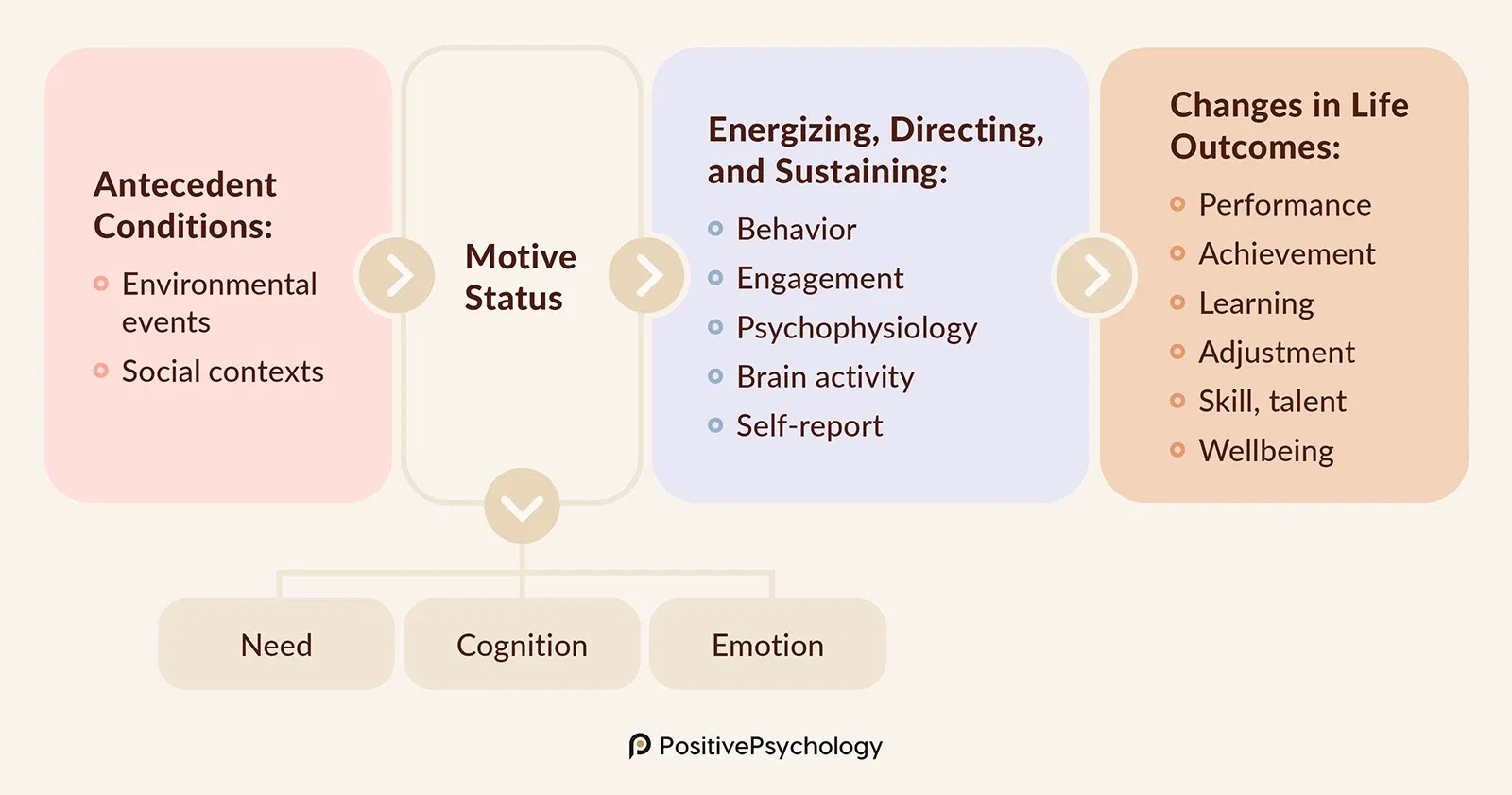
Incentives are powerful tools rooted in human psychology. According to incentive theory, individuals are more likely to perform behaviors that are actively rewarded. In the context of business, psychology rewards focus on leveraging positive stimuli—be it recognition, points, or travel experiences—to reinforce desired actions among customers and employees alike.
Why Travel Rewards Resonate
Unlike cash incentives, travel experiences create lasting memories and emotional connections, which increase the perceived value of the reward. The reward perception associated with travel is often stronger due to the anticipation and storytelling potential. A 2022 study revealed that 87% of respondents found experiential rewards (like travel) to be more memorable than cash.
How Incentives Shape Customer Behavior
Behavioral Economics and Reward Perception
The principles of behavioral economics highlight that customers do not always act rationally. Factors like salience, immediacy, and social proof significantly influence how a reward is perceived and whether it motivates action. Travel rewards, with their aspirational qualities, tap directly into these psychological motivators, making them especially effective at influencing customer behavior.
- Salience: Travel rewards stand out more than generic cash or gift cards, capturing attention.
- Immediacy: Paired well with attainable criteria, travel incentives can prompt immediate action.
- Social Proof: Sharing travel stories encourages others to pursue similar rewards.
Travel Motivation: The Desire for Novelty and Status
Travel motivation leverages fundamental psychological needs—exploration, relaxation, status seeking, and belonging. For example, offering hotel or cruise vouchers as incentives not only fulfills practical desires for escape but also appeals to deeper motivations such as prestige and exclusivity. The International Society for Performance Improvement found that incentive travel increased participant performance by 22% compared to non-incentive programs.
Designing Effective Travel Rewards Programs
Tailoring Rewards to Maximize Reward Perception
Not all travel rewards are equally motivating. Understanding your audience and aligning incentives to their preferences is key. Bonoincentivo, a leading provider of travel incentive solutions, specializes in customizable options such as hotel vouchers, cruise vouchers, spa experiences, and rural tourism packages, enabling businesses to personalize their programs for maximal impact.
- Hotel vouchers: Flexibility and broad appeal for both leisure and business travelers.
- Cruise vouchers: Create a sense of adventure and luxury.
- Spa experiences: Target wellness-conscious demographics.
- Rural tourism: Appeals to those seeking serenity, authenticity, and nature.
Delivering the Right Reward, the Right Way
The delivery method plays a crucial role in reward perception. Digital vouchers, instant booking capabilities, and personalized communication all contribute to a seamless incentive experience. Bonoincentivo employs these approaches to help clients optimize participation and satisfaction, ensuring the psychological impact of the reward is maximized from anticipation to redemption.
Measuring Engagement and Impact
Driving Engagement through Meaningful Travel Incentives
Meaningful travel incentives can increase engagement rates by up to 44%, according to the Incentive Research Foundation. Gathering direct feedback and tracking redemption data helps businesses refine their offerings, better understanding which reward types resonate most strongly with specific customer segments.
Case Example: Incentive Program Outcomes
A corporate client employing Bonoincentivo's hotel and spa voucher incentives experienced a 35% boost in customer retention and a significant increase in referral rates—a testament to the enduring value and psychological appeal of tailored travel rewards.
Best Practices: Integrating Incentive Psychology into Strategy
Leveraging Insights for Ongoing Success
To maximize program effectiveness, organizations should incorporate the following best practices:
- Segment your audience to create personalized travel rewards that address unique motivations.
- Communicate the experience—not just the reward—to build anticipation and emotional value.
- Utilize data to measure customer behavior changes and optimize future incentives.
- Collaborate with trusted partners like Bonoincentivo for access to a diverse catalog of experiential rewards.
Conclusion: Unlock the Power of Travel Rewards with Bonoincentivo
The psychology of rewards, when applied thoughtfully, can transform customer behavior and elevate engagement. As a leading travel incentive provider, Bonoincentivo offers tailored solutions—from hotel and cruise vouchers to spa experiences and rural tourism—that are grounded in the science of motivation and reward perception. Ready to boost loyalty and performance? Contact Bonoincentivo today to craft your next high-impact travel incentive program.